Our eyes work almost every moment we are awake. We read, drive, work at a computer, look at our phones, watch television, and spend time outdoors in bright sunlight. It is therefore not surprising that eye health has become an increasingly important part of everyday wellness.
When people look for nutritional support for healthy vision, three ingredients appear again and again: lutein, zeaxanthin, and bilberry extract. They come from different natural sources and have different properties, but all three have attracted scientific interest because of their relationship with the eye and their antioxidant activity.
So what exactly are these substances, and why are they so often found together in eye-health supplements?
What Is Lutein?
Lutein is a naturally occurring carotenoid, a group of plant pigments that includes many familiar compounds found in fruits and vegetables. Good dietary sources of lutein include spinach, kale, broccoli, and other green vegetables.
What makes lutein particularly interesting is where it is found in the human body. It is concentrated in the retina, especially in the macula, the central part of the retina responsible for detailed vision.
Lutein is also an antioxidant. The retina is exposed to light and has a high metabolic demand, making protection against oxidative stress an important part of maintaining healthy retinal tissue.
Zeaxanthin: Lutein's Close Relative
Zeaxanthin is another carotenoid closely related to lutein. Like lutein, it is found naturally in the retina and is an important component of the macular pigment.
The two compounds are often discussed together because they are found together in the eye and appear to perform complementary roles. Their presence in the macula has made lutein and zeaxanthin two of the best-known nutrients associated with nutritional support for retinal health.
Research into these carotenoids has also been an important part of studies investigating age-related changes in the eye. The large AREDS2 clinical study conducted by the U.S. National Eye Institute examined lutein and zeaxanthin as part of a nutritional formulation for people at risk of developing advanced age-related macular degeneration.
What Makes Bilberry Different?
Bilberry (Vaccinium myrtillus) is a small dark-blue berry native to parts of Europe and northern Asia. It belongs to the same botanical family as blueberries, although it is a different species.
The deep color of bilberries comes largely from natural plant compounds called anthocyanins. These compounds have antioxidant properties and are one of the main reasons bilberry has attracted scientific interest.
Bilberry has a long history of traditional use, particularly in Europe. Modern research has investigated whether bilberry anthocyanins may have a role in supporting normal retinal function and other aspects of eye health.
However, the scientific evidence is not equally strong for every proposed benefit. For example, claims that bilberry dramatically improves night vision have not been consistently confirmed by modern clinical research. This is a good example of why traditional use and scientific evidence should not automatically be treated as the same thing.
Why Are Lutein, Zeaxanthin and Bilberry Often Combined?
Although these ingredients are sometimes grouped together as "eye vitamins," they are actually quite different.
- Lutein is a carotenoid concentrated in the retina and macula.
- Zeaxanthin is a closely related carotenoid that also forms part of the macular pigment.
- Bilberry provides anthocyanins and other naturally occurring plant compounds.
From a nutritional perspective, combining different sources of antioxidants can be an appealing way to provide several naturally occurring compounds in one formula. It does not mean that the ingredients are interchangeable, but rather that they may complement one another as part of an overall approach to eye nutrition.
Eye Health in the Digital Age
There is another reason interest in eye-health nutrition has grown so much: screens are everywhere.
Many people spend a large part of the day looking at computers, smartphones, tablets, and other digital displays. Prolonged screen use can be associated with temporary symptoms such as tired eyes, dryness, blurred vision, or difficulty maintaining comfortable focus.
Good screen habits remain important. Taking regular breaks, adjusting screen brightness, keeping a comfortable viewing distance, getting enough sleep, and having regular eye examinations are all much more important than relying on a single supplement.
Nutrition can nevertheless be part of the bigger picture. A diet containing a variety of vegetables, fruits, healthy fats, and other nutrient-rich foods provides the foundation for overall health, including the health of the eyes.
Where Supplements Fit In
For people who do not always get a wide variety of nutrient-rich foods in their daily diet, supplements can provide a convenient way to include specific nutrients in a regular routine.
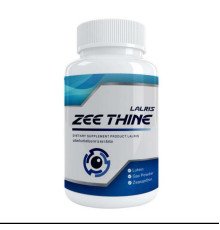
One example is Zee Thine Eye Care Capsules, which combines lutein, bilberry extract, and zeaxanthin in a single formula. It is intended as a convenient source of these three well-known ingredients for people interested in nutritional support for eye health.
A supplement should be viewed as part of a healthy lifestyle rather than as a replacement for a balanced diet or professional eye care.
What Does the Science Actually Tell Us?
The most important point is that research into eye nutrition is ongoing. Lutein and zeaxanthin have particularly strong scientific interest because of their presence in the macula and their role in the AREDS2 research program. Bilberry and its anthocyanins have also been studied, although evidence for specific benefits is less consistent.
This distinction matters. Nutritional science rarely comes down to a simple question of whether an ingredient is "good" or "bad." Different nutrients can have different levels of evidence for different outcomes, and research continues to refine our understanding of how they work.
A Simple Approach to Long-Term Eye Health
Healthy eyesight is not maintained by one ingredient alone. A sensible approach includes a balanced diet, adequate sleep, sensible screen habits, protection from excessive sunlight, regular physical activity, and appropriate eye examinations.
Lutein, zeaxanthin, and bilberry extract can be considered within that broader picture. Their interesting relationship with the retina, their antioxidant properties, and the continuing scientific research surrounding them explain why they have become popular ingredients in modern eye-health supplements.
Final Thoughts
Lutein, zeaxanthin, and bilberry come from different natural sources, but all three have an interesting connection with eye health. Lutein and zeaxanthin are concentrated in the macula, while bilberry provides anthocyanins that have been studied for their antioxidant properties.
There is still much to learn about nutritional support for healthy vision. What we do know is that taking care of our eyes is a long-term process, and good nutrition is one useful part of that process.
Important: Dietary supplements are not intended to diagnose, treat, cure, or prevent disease. Anyone experiencing persistent changes in vision or other eye symptoms should consult a qualified eye-care professional.